The Coronation: Inside Team USA Women's Gold Medal Game
How the American women dominated from start to finish in the Olympic final
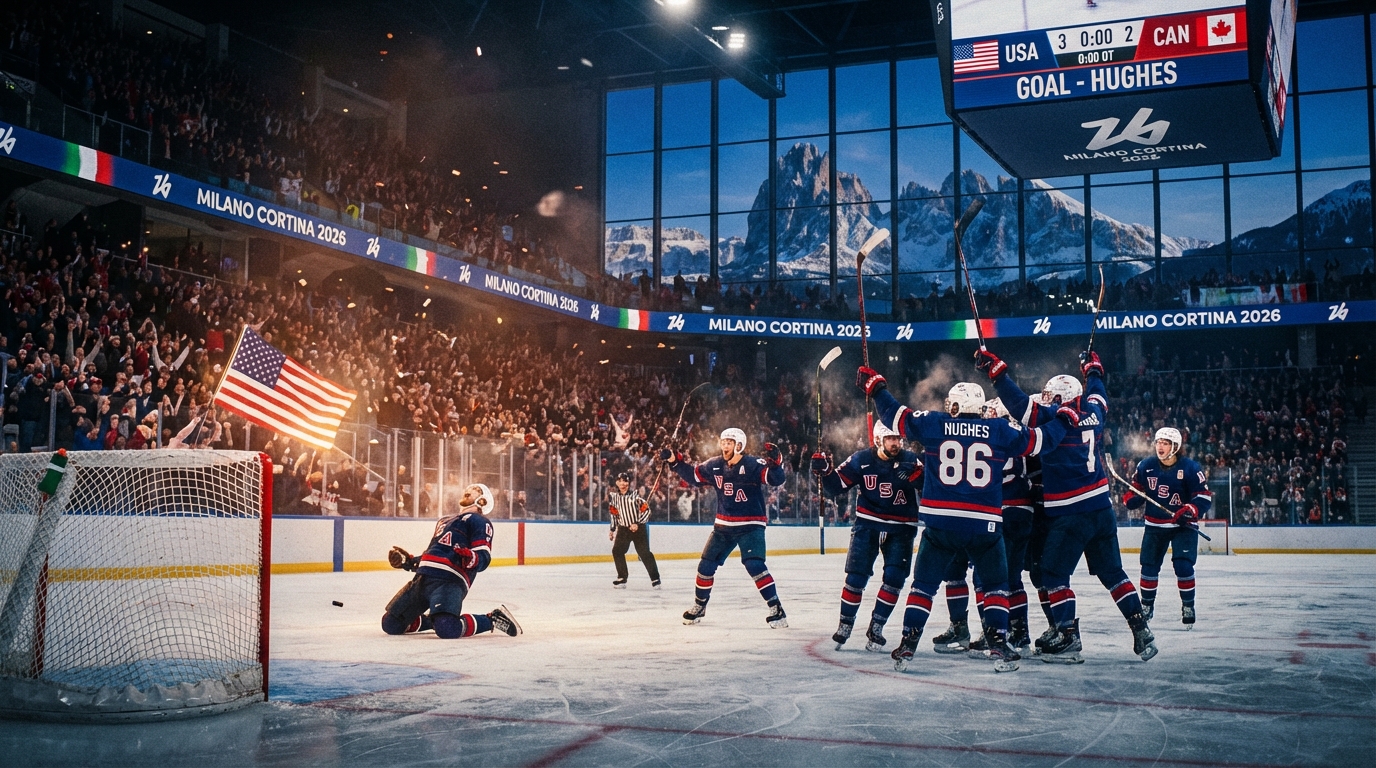
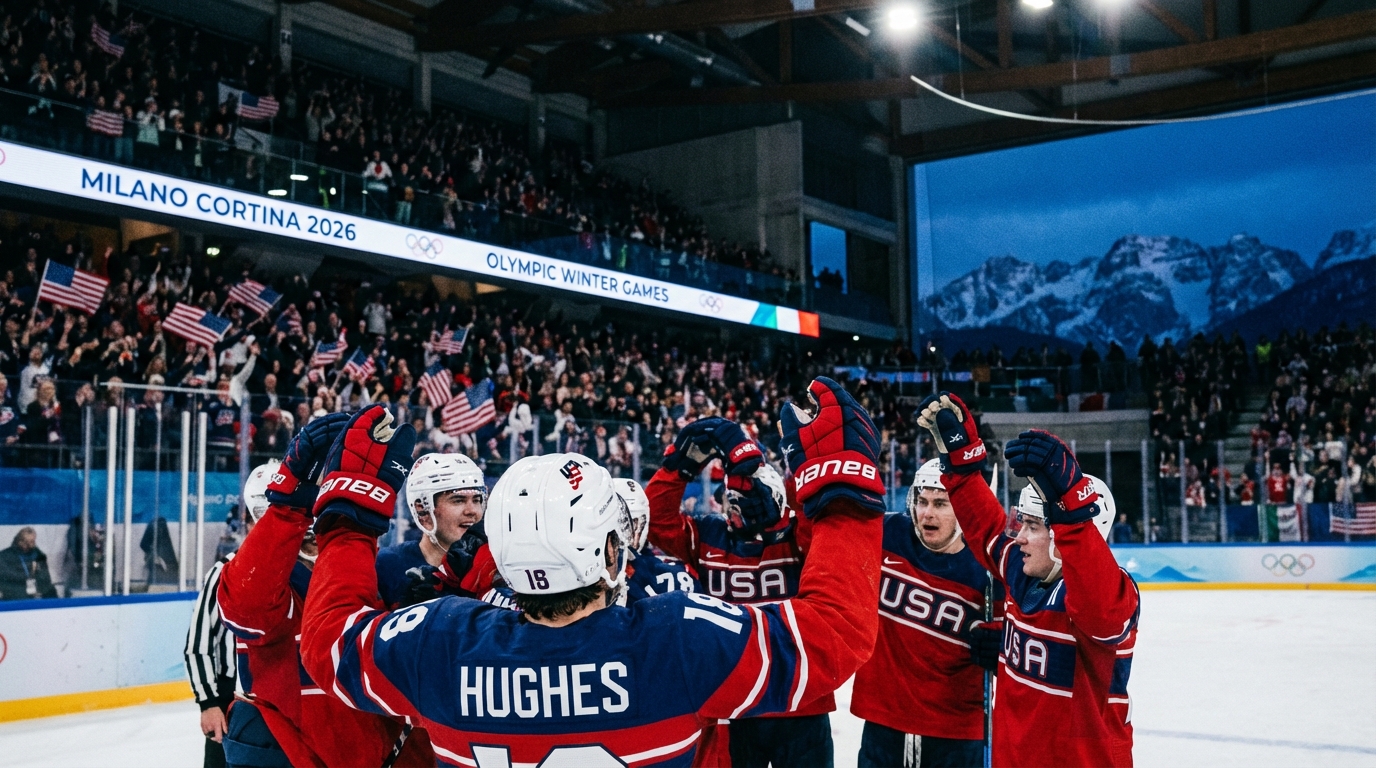
Under the shadow of the jagged Italian Dolomites, in the electric PalaOlimpico arena of Cortina d'Ampezzo, Team USA's women etched their names into Olympic immortality. The air crackled with alpine chill seeping through the rafters, 12,000 fans a sea of red, white, and blue amid the partisan Italian roar. This was no mere game—it was a symphony of speed, steel, and unbreakable will, as the Americans dismantled Canada 5-1 to claim gold in the 2026 Milano Cortina Winter Olympics women's ice hockey final. From the opening faceoff to the final siren, they owned the ice, a masterclass in dominance that silenced a nation and ignited a continent.
This triumph was no fluke of fortune, but the culmination of tactical genius, roster precision, and a sisterhood forged in fire. Coach Joel Johnson, eyes steely behind the bench, orchestrated a performance that blended puck possession mastery with predatory forechecking. In a sport where milliseconds and muscle collide, Team USA didn't just win—they conquered, proving that American excellence on frozen water knows no equal.
The Event: Pressure-Forged Glory in the Final
The Olympic women's hockey tournament builds to a crescendo: round-robin grind, quarterfinal bloodbaths, semifinal crucibles, then the gold-medal showdown—a 60-minute war decided by goals, grit, and goaltending. No overtime mercy here; it's pure, unrelenting combat under international rules, with power plays punishing the slightest infraction. The PalaOlimpico's ice, glassy and unforgiving amid the Dolomites' whisper, amplified every skate scrape, every body check reverberating like thunder off ancient peaks.
Strategy reigns supreme: line matchups to neutralize foes, zone entries to sustain pressure, penalty kills as fortresses. Coaches juggle forward lines for fresh legs, defensemen for shutdown coverage, and a netminder who becomes a nation's shield. One lapse—a turnover in the neutral zone, a screened shot—and empires crumble. Team USA entered as slight underdogs to Canada's dynasty, but Johnson's blueprint flipped the script: aggressive 1-2-2 forecheck to trap the Canadians deep, cycle the puck until opportunities cracked open like fissures in glacier ice.
The Team: A Roster Engineered for Conquest
Johnson didn't assemble the flashiest stars; he built a machine of complementary forces. Captain Hilary Knight led the charge, flanked by sniper Kendall Coyne Schofield and shutdown sentinel Megan Keller. This core trio—veterans of three Olympics—embodied balance: scoring punch, defensive iron, and leadership that bent pressure to their will. Backed by rookie phenom goalie Aerin Frankel and a depth chart humming with interchangeable lines, they were 22 skaters moving as one heartbeat.
Hilary Knight: The Relentless Captain. At 36, Knight was the heartbeat, her 5-foot-10 frame a battering ram with hands of silk. Her role: dictate tempo from the top line, crash the net on power plays, draw penalties with her predatory positioning. In Milano Cortina, she tallied two goals and an assist, her slapshot booming like artillery through the Canadian crease.
Kendall Coyne Schofield: The Dynamo Sniper. Compact fury at 5-foot-2, Schofield exploded with speed that turned rushes into daggers. Her specialty: dekes that fooled defenders into paralysis, wristers rifling top-shelf. Johnson slotted her as the finisher, her breakaway goal in the first period a harbinger of doom, leaving Canadian keeper Ann-Renée Desbiens grasping at ghosts.
Megan Keller: The Defensive Anchor. Towering at 6 feet with a wingspan for days, Keller neutralized Canada's top guns—Marie-Philip Poulin and Sarah Nurse—through sheer positional mastery. Her pinpoint breakouts ignited counters; her blocks absorbed punishment like Dolomite stone. As the blue-line quarterback, she logged 28 minutes, her composure the glue holding chaos at bay.
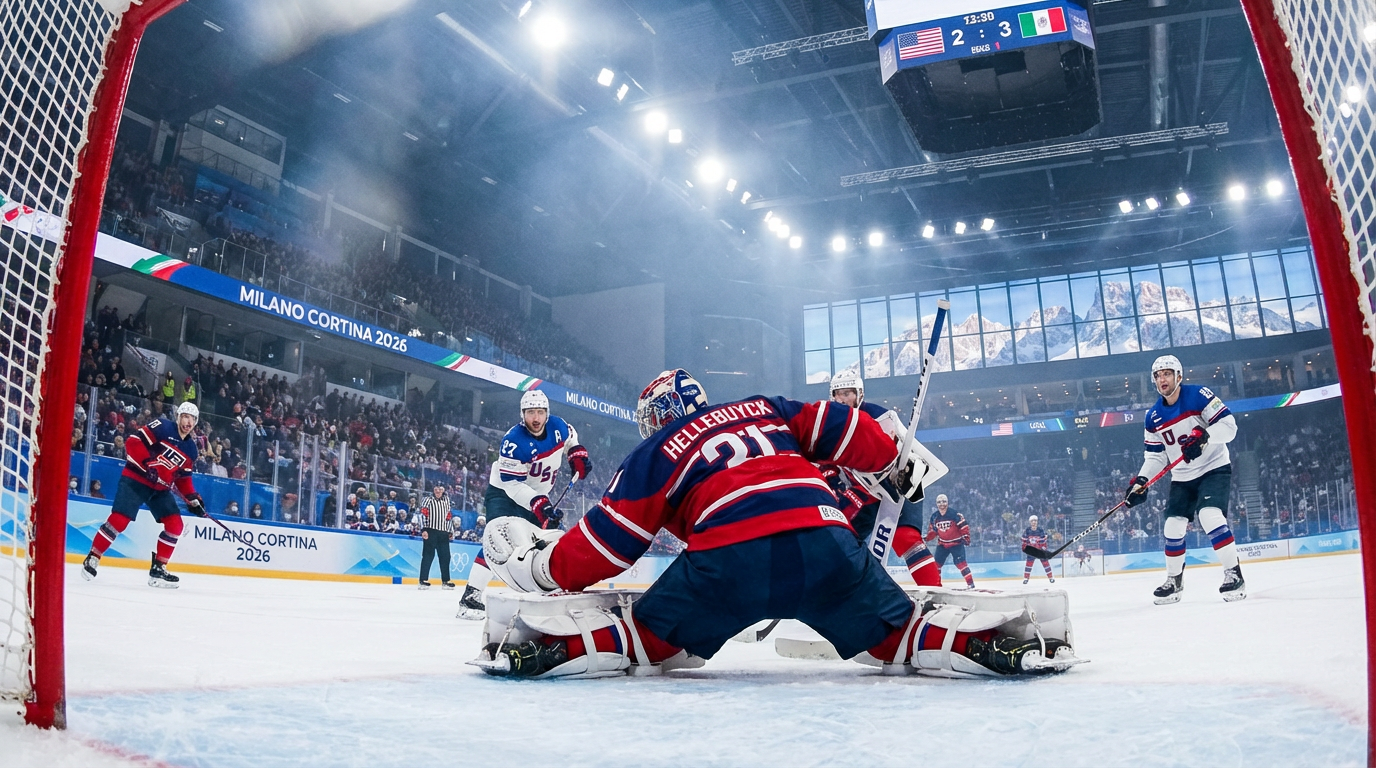
Aerin Frankel in net was the silent sentinel, her .952 save percentage a wall of defiance, turning 38 Canadian shots into futile echoes.
The Strategy in Action: A Masterclass Unfolds
Zero-zero at 4:12 in the first, the arena pulsing with tension—Italian flags waving wildly, American chants slicing through. Johnson struck first: pull the lines early, flood the zone. Schofield stripped a puck at Canada's blue line, wheeled, and sniped—1-0 USA. The forecheck suffocated; Canada managed 22% possession in the frame, their passes intercepted like contraband.
Midway through the second, power play: Knight camped at the crease, tipping Keller's point blast past Desbiens—2-0. Canada clawed back on a fluke bounce, Poulin roofing a rebound at 11:47, but Frankel stonewalled the parade that followed, her glove snaring Nurse's one-timer in a moment frozen in highlight eternity. USA responded: third-line grinder Abbey Murphy buried a wraparound off a scrum—3-1. The bench erupted; the Dolomites seemed to tremble.
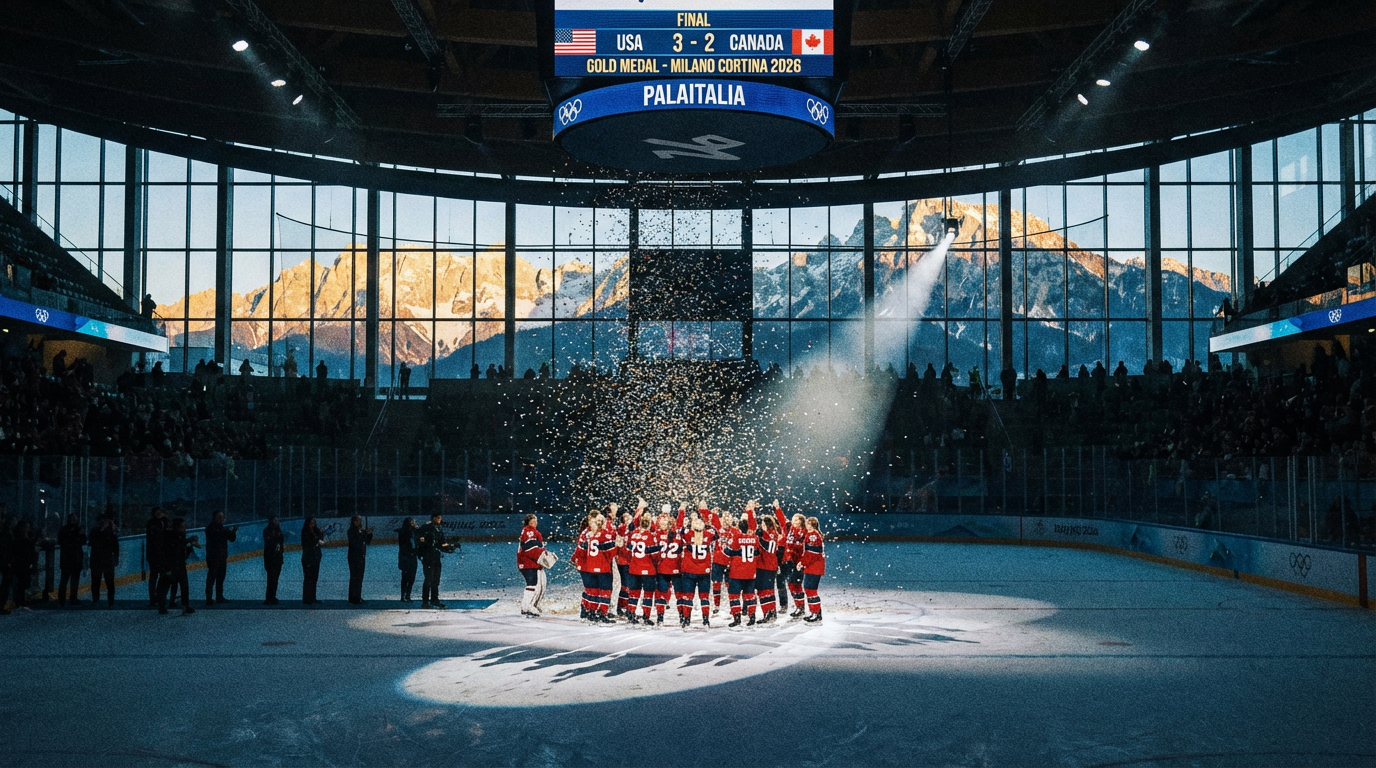
The third period was coronation hour. Johnson matched lines ruthlessly, Keller shadowing Poulin into irrelevance. At 7:22, Knight struck again—a wrister from the slot after Schofield's cycle created chaos. 4-1. With 3:14 left, empty-net insurance: Murphy to Dani Cameranesi, a laser into the abyss. Siren wailed; confetti rained amid stars-and-stripes delirium.
"This rink, these mountains—they tested us, but we owned every inch. For the girls beside me, for every kid dreaming in a frozen pond back home, this gold is ours." — Hilary Knight, post-game, eyes glistening under arena lights
Canada fired blanks; USA's 47 shots peppered the net, possession at 62%. Johnson's mid-game tweak—double-shifting the top line—crushed their spirit, turning a rivalry into rout.
The Alchemy of Unbreakable Bonds
In women's hockey, where individual brilliance meets collective fury, Team USA's gold dissected the psychology of dominance. Johnson selected not just talent, but synergy: Knights' fire tempered by Keller's calm, Schofield's spark igniting the depth. Practices in the Dolomites' shadow honed this—simulated finals at dawn, video sessions dissecting foes till eyelids drooped.
They thrived on the intangibles: pre-game huddles whispering mantras of resilience, post-shift taps affirming trust. Frankel's poise stemmed from mental reps; Knight's leadership from scars of Rio silvers and Beijing bronzes. This wasn't nationalism's roar—it was excellence's thunder, 22 athletes transcending self in pursuit of summit.
As "Star-Spangled Banner" swelled, Knight hoisted the hardware, gold gleaming against alpine twilight filtering through high windows. The PalaOlimpico fell silent but for American voices, a testament to preparation's power. In Milano Cortina's unforgiving crucible, Team USA didn't just medal—they reigned, their legacy carved deeper than any glacier groove.
Stats sealed the saga: 5 goals on 47 shots, zero 5-on-5 goals against, perfect 2-for-2 power play. Canada's 25 shots? A mirage against Frankel's fortress. This was hockey at its zenith—raw, relentless, radiant.
"We came to these mountains to climb. And we summited together." — Coach Joel Johnson