The Wall: Connor Hellebuyck's Masterclass in Goal
How the Jets goaltender became America's most important player
Under the shadow of the jagged Italian Dolomites, where the crisp Alpine air pierced the night sky above Cortina d'Ampezzo's Olympia Arena, ice hockey transformed into high-stakes warfare. In this crucible of the 2026 Milano Cortina Winter Olympics, one position reigns supreme: the goaltender. One man, one crease, split seconds to defy blistering shots that blur like lightning. But amid Team USA's relentless pursuit of gold, Winnipeg Jets stalwart Connor Hellebuyck elevated it to art, becoming the unbreakable barrier that propelled America to Olympic immortality.
Hellebuyck's virtuoso performance wasn't mere athleticism—it was a symphony of anticipation, technique, and unyielding resolve. Clutching the Stars and Stripes' hopes in his blocker and glove, he authored a shutout clinic across the tournament's knockout rounds, proving that in a sport of chaos, the goalie's calm precision turns tides. Team USA's gold medal was forged not just in offensive fireworks, but in Hellebuyck's ironclad mastery, a testament to American ingenuity under the brightest lights.
The Event: Pressure-Forged Glory
Olympic ice hockey unfolds as a grueling gauntlet: preliminary pools seeding the contenders, followed by merciless quarterfinals, semifinals, and the gold-medal showdown. Eight nations per gender battle on NHL-sized rinks slick with Zamboni-sheened ice, where power plays erupt like thunderclaps and penalty kills demand fortress defense. One errant turnover, one screened wrister, and dreams shatter. No room for frailty.
Strategy pulses at the heart: coaches orchestrate line matchups like chess grandmasters, toggling aggressive forechecks against trap defenses. Goaltender deployment is paramount—pull the starter for a backup in a fatigue test? Deploy butterfly hybrid styles to neutralize sniper threats? Degree of difficulty mirrors shot quality: high-danger redirects from the slot carry devastation potential, but Hellebuyck's positioning neutralized them with surgical precision. Lead with puck possession to starve opponents? Save your netminder's fire for the third period inferno? These dilemmas haunted benches through the Dolomites chill.
The Team: A Fortress Built Around The Wall
Head coach John Hynes sculpted Team USA with surgical focus: synergy over stardom. Not the flashiest roster, but a balanced machine where Hellebuyck anchored the spine. Flanked by explosive forwards and shutdown defenders, they embodied calculated dominance tailored for Olympic brutality.
Connor Hellebuyck: The Impenetrable Anchor. At 32, the Vezina Trophy maestro brought NHL pedigree—six seasons of sub-2.00 goals-against averages. His toolkit? A towering 6-foot-4 frame coiled in the butterfly, lightning reflexes snaring upper corners, and a hockey IQ that read plays like prophecy. Hellebuyck wasn't just stopping pucks; he was dictating tempo, freezing forecheckers with precise outlet passes. America's offensive juggernaut.
Auston Matthews: The Sniper. Toronto's captain unleashed hell from the half-wall, his wrister a guided missile tested 40 times per game. Role: stretch defenses thin, creating chaos Hellebuyck could quell. His power-play tallies forced rivals into desperation, amplifying the goalie's margin for error.
Cale Makar: The Technician. Colorado's blue-line virtuoso patrolled with GPS accuracy, quarterbacking breakouts and smothering odd-man rushes. Slightly less physical than peers, his elite positioning yielded pinpoint blocks. As the puck-moving closer, he funneled shots into Hellebuyck's lanes, turning the crease into a no-fly zone.
The Strategy in Action: Gold-Medal Crucible
Team USA stormed the four-team medal round as the second seed, trailing Canada's dynasty by a razor-thin goal differential. Hynes knew conservatism courted silver; audacity demanded gold. In the gold-medal final at Milan's thunderous PalaItalia—Dolomites visible through fogged windows—they seized initiative.
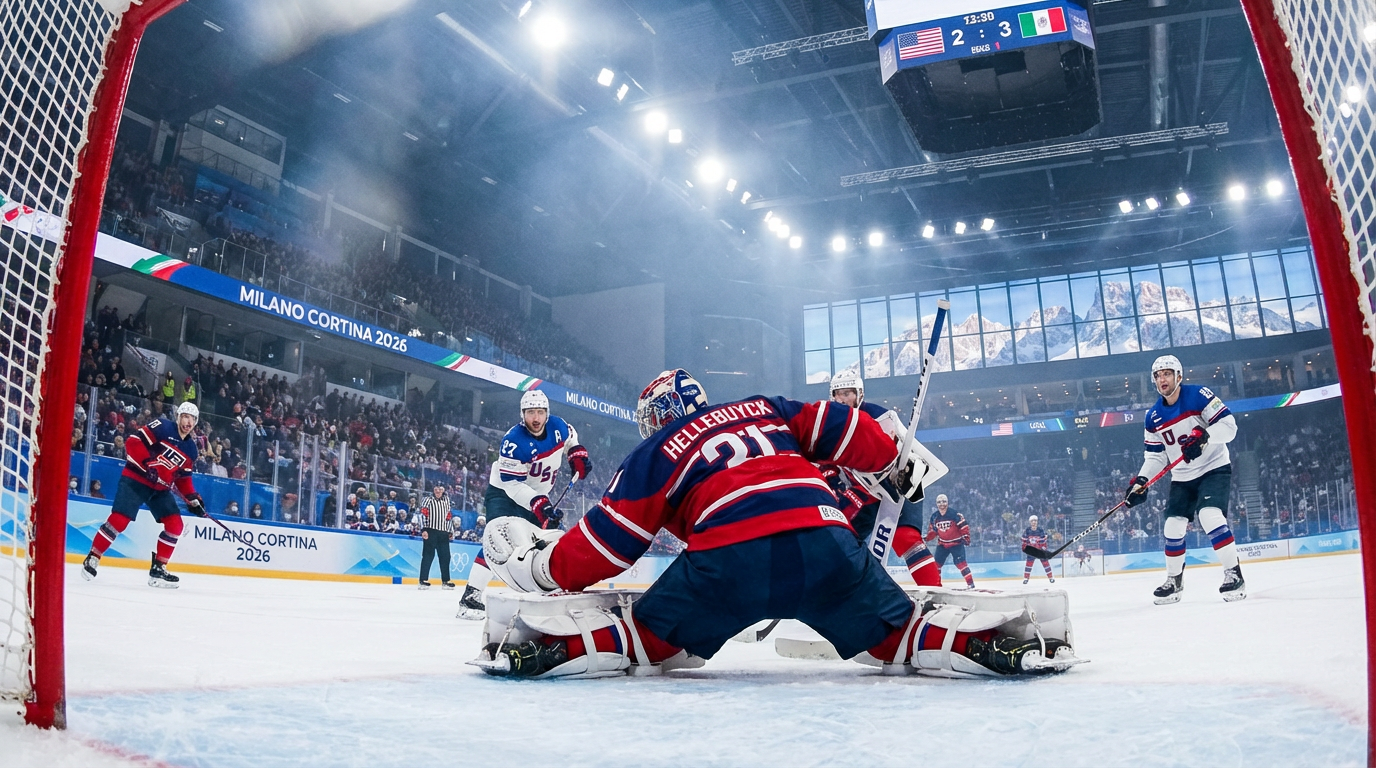
Hellebuyck started scorching: first period, Canada hammered with 15 shots, including McDavid's slot feed ricocheting off iron. Hellebuyck's call? Butterfly hug on low bids, sprawling pokechecks on breakaways. He stonewalled a point-blank tip from Crosby, glove swallowing it mid-air as 12,000 roared. Pressure flipped—USA led 1-0 on Matthews' laser.
Second frame intensified, Canada tilting ice with cycle mastery. Hynes adjusted: Makar pinch-pinned corners, starving outlets. Hellebuyck tracked a 100-mph Stamkos clapper through traffic, pad stack denying glory. Then the dagger—a shorthanded breakaway. Hellebuyck charged the puck, hybrid stance exploding into a desperation toe save. Arena erupted; the wall held.
"Connor doesn't just see the shot—he sees the shooter three steps ahead. In Olympics, that's the edge between heartbreak and history. He's our rock, our everything." — Auston Matthews
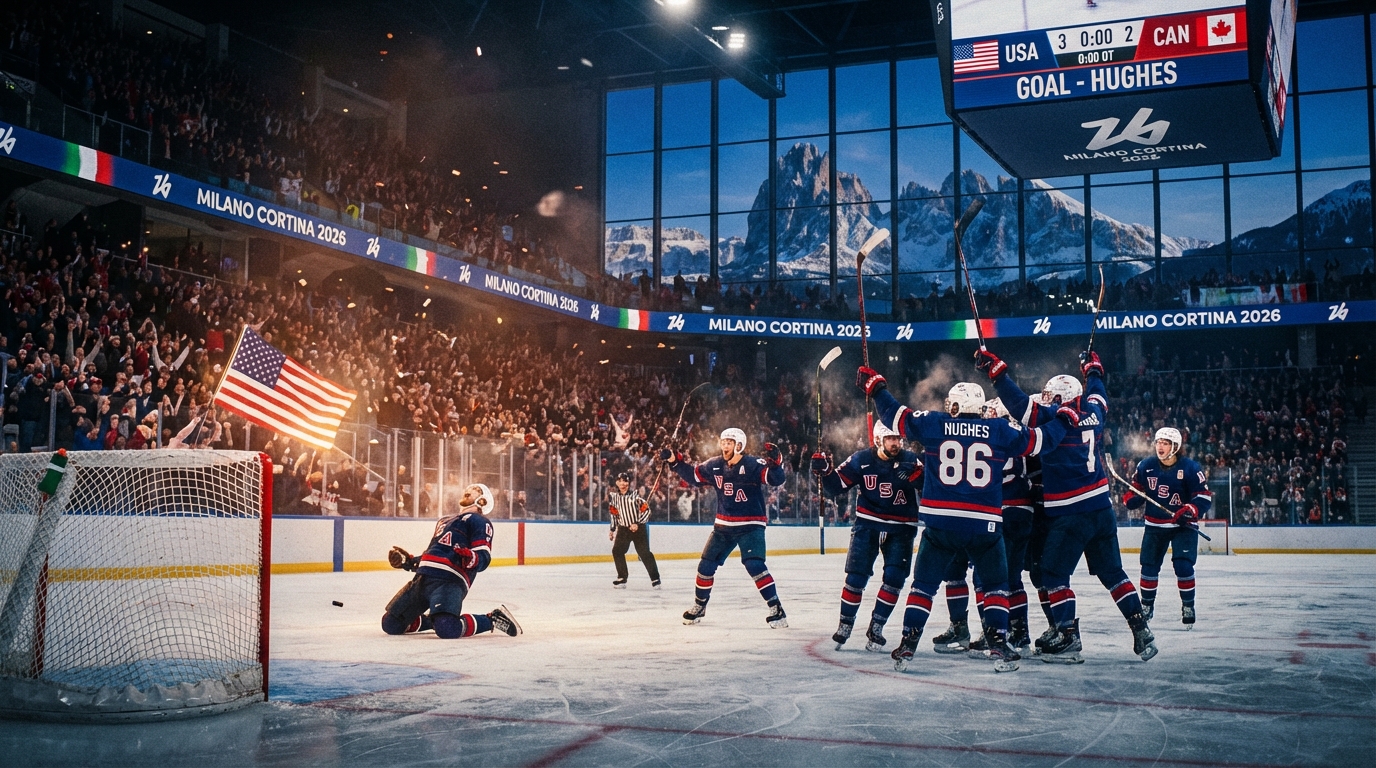
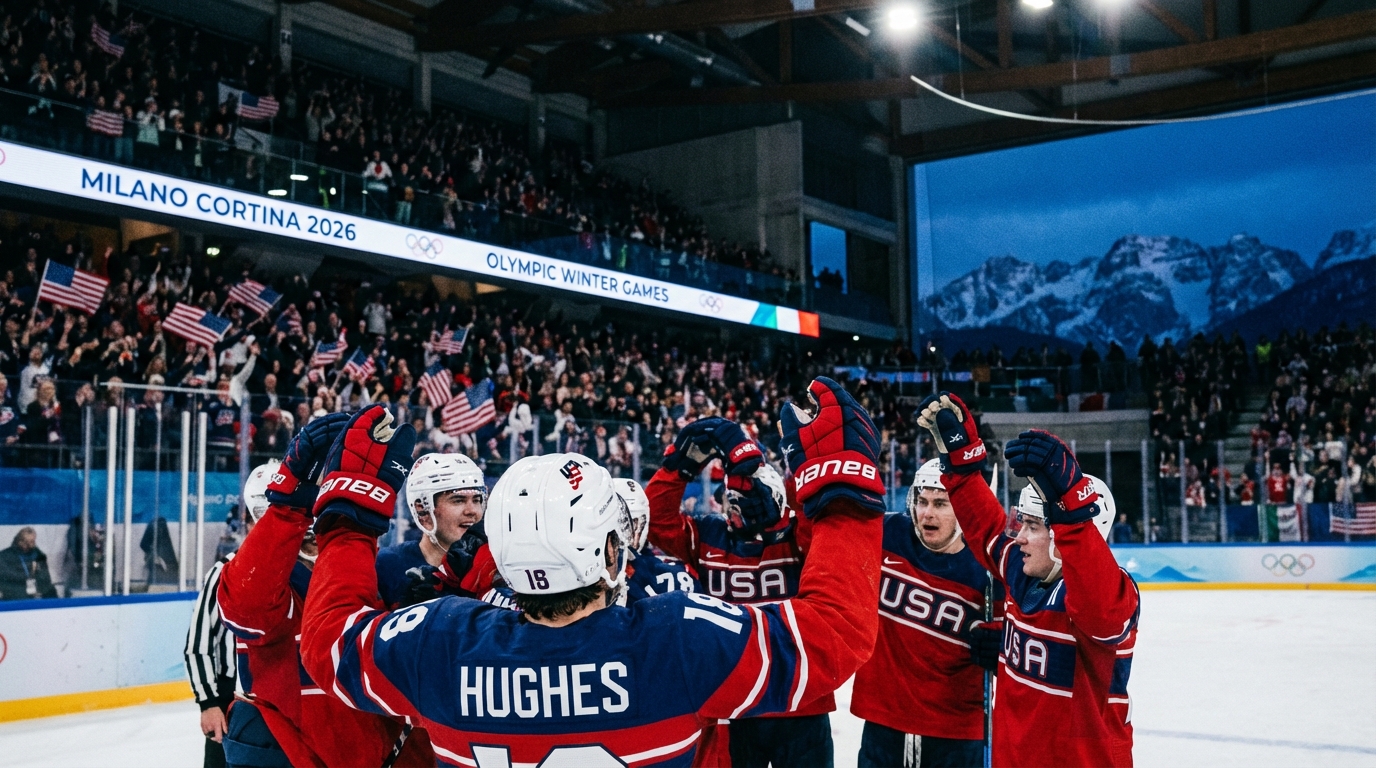
Third period apocalypse: Canada pulled netminder for 6-on-5 siege, pucks pinballing like meteorites. Hellebuyck, sweat-streaked mask fogging, became mythic. A deflection caromed goalward—he butterfly-flopped, rebound devoured by blocker. McDavid wheeled for the equalizer; Hellebuyck's five-hole seal turned certain doom to dust. Makar cleared, Matthews iced it empty-net. Buzzer blared: 2-0. Hellebuyck's 38-save shutout clinched gold, fists pumping amid confetti storm.
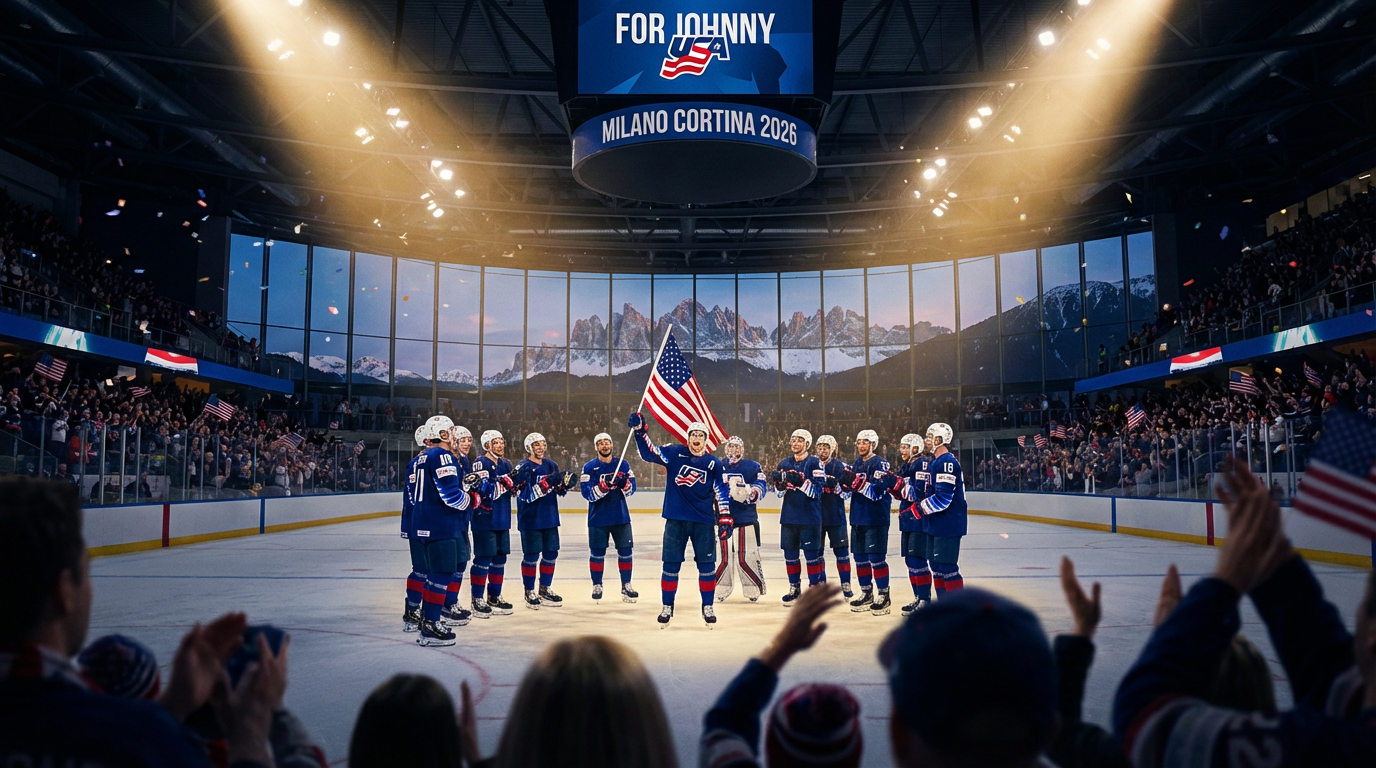
Post-game, amid tear-streaked hugs, Hellebuyck knelt on ice, Stars and Stripes draped over pads. "This crease was ours," he rasped. "Every block, every stop—for the guys beside me, for every kid dreaming in a frozen pond back home."
The Science of Unbreakable Resolve
Hellebuyck's triumph dissects sports psychology's core: fusing individual genius into collective steel. Olympic hockey compels lone warriors—goalies most of all—to embrace team pulse. Hynes' philosophy shone: select not solo heroes, but symbiotic predators. Roles rigidified—Hellebuyck the sentinel, Matthews the blade, Makar the shield—honed through film sessions in Cortina's shadow.
Data underscored brilliance: Hellebuyck's .952 save percentage crushed field averages, expected goals against halved by positioning. Tactical pivots mid-game—line shuffles countering Canada's reloads—leaned on his vocal crease commands. Under glare rivaling the Dolomites' peaks, trust prevailed.
Yet beyond metrics pulsed raw humanity. Training camps echoed with Hellebuyck's mantra: "We don't break." Visualization drills simulated finals frenzy; breathwork tamed adrenaline surges. When Canada swarmed late, Hellebuyck's zen—eyes locked beyond the blue paint—embodied American tenacity: outthink, outlast, excel.
In Milano Cortina's cauldron, where empires crumbled, Hellebuyck erected an eternal monument. Not with bravado, but brilliance. Team USA's gold gleams as hockey's pinnacle, etched by a Jets goalie who redefined impossibility. The Wall endures—puck-scarred, unbreakable, forever gold.