Ashley Farquharson: Fearless at 90 Miles Per Hour
A bronze medal in women's luge proves American courage on the sliding track
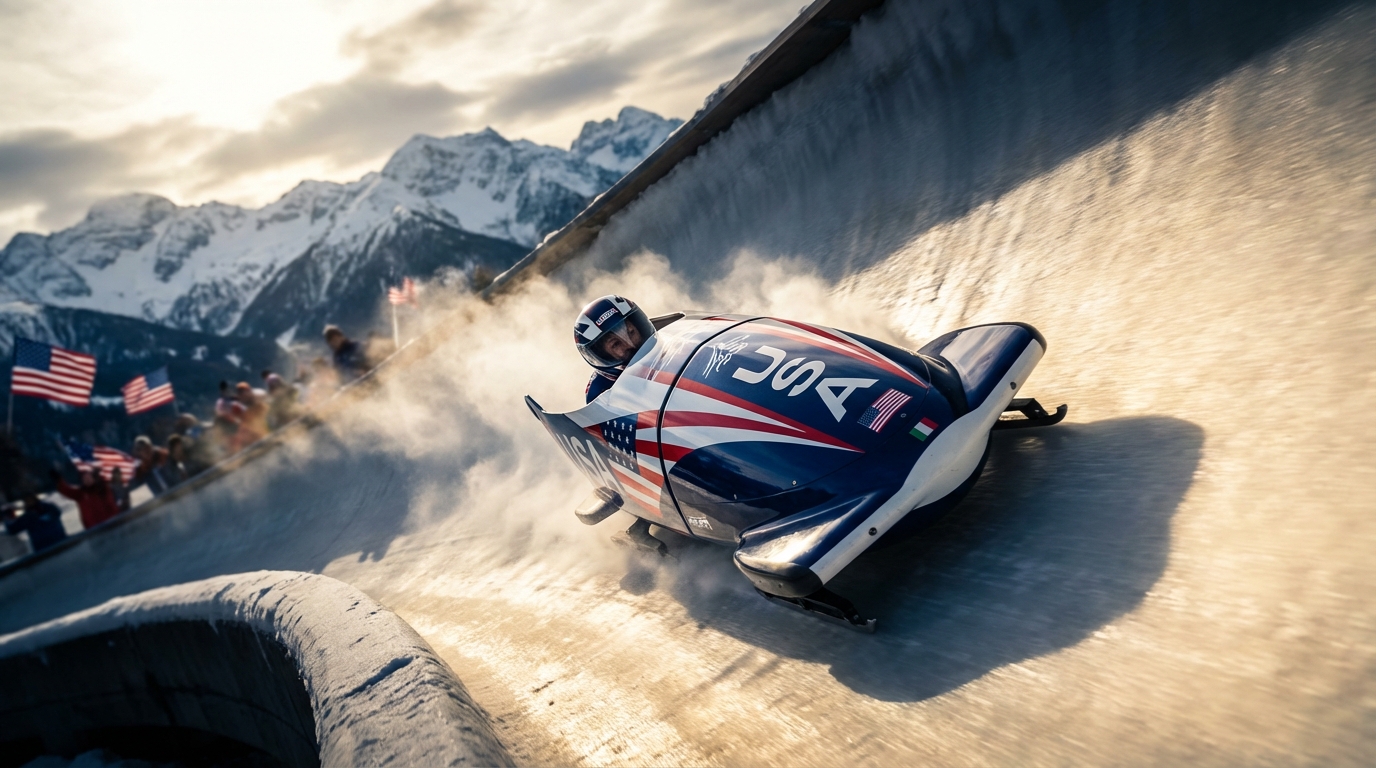
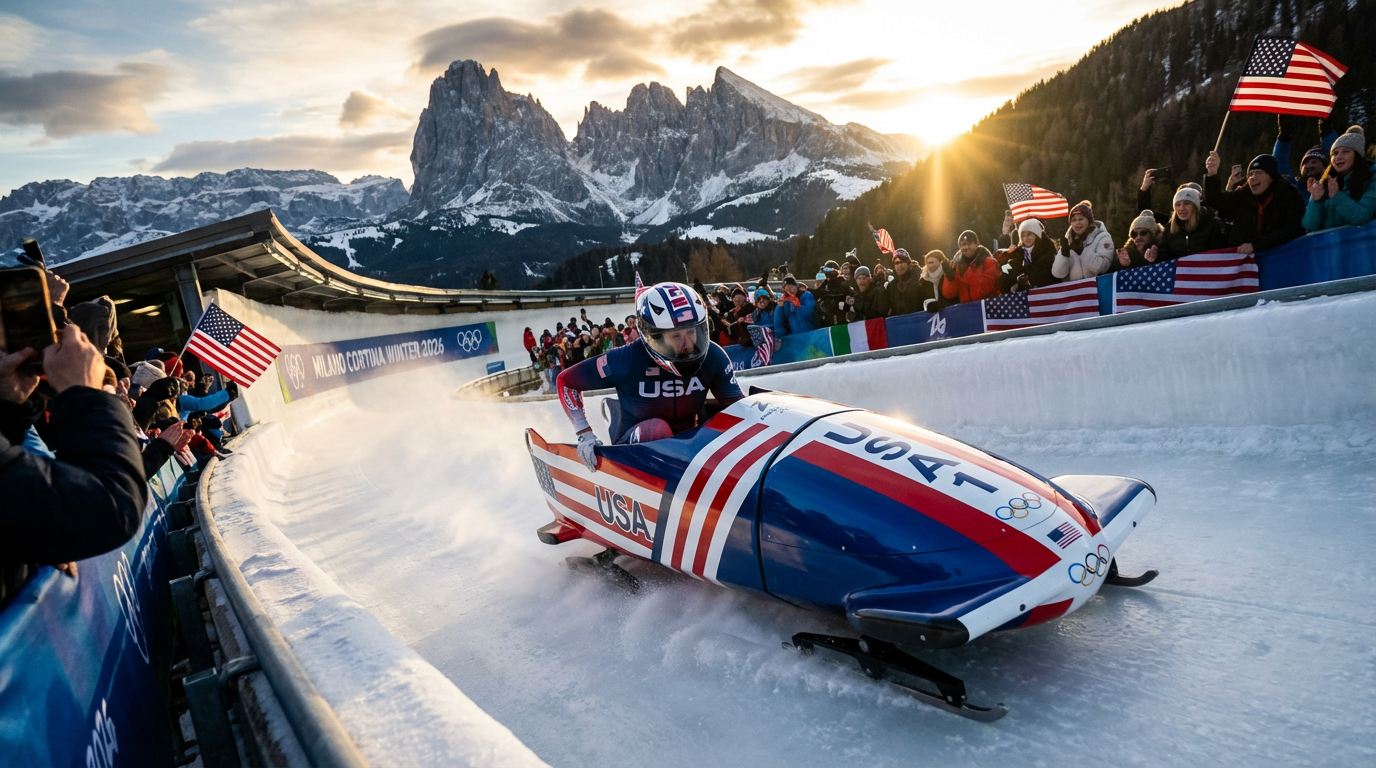
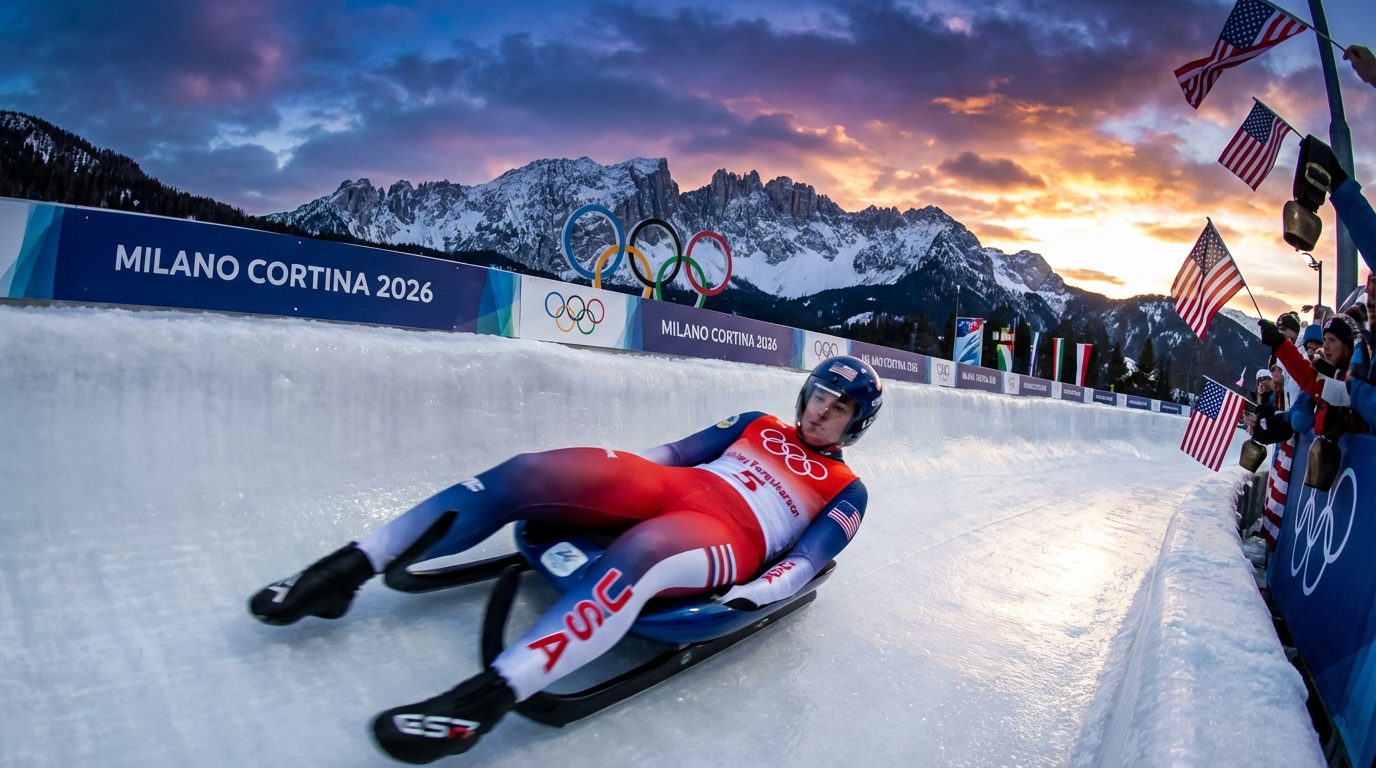
Under the jagged peaks of the Italian Dolomites, where the Milano Cortina track carves like a frozen scar through the mountainside, Ashley Farquharson transformed terror into triumph. At speeds cresting 90 miles per hour, she hurtled headfirst down a ribbon of ice, her body a blade slicing through subzero winds. In the women's luge singles, where a fraction of a second separates glory from heartbreak, the 28-year-old American from upstate New York claimed bronze — a medal forged in raw nerve and unyielding precision, etching Team USA's name deeper into Olympic lore.
This was no safe glide. Luge demands surrender to gravity's fury: athletes strapped to a carbon-fiber sled, steering with calf nudges and glove slaps against sheer walls of ice. Four runs over two days, each a high-stakes gamble on the 1,122-meter Cortina Sliding Centre track — the same unforgiving beast that tested legends in 1956. Farquharson, seeded ninth after qualifying, summoned the grit of pioneers like Erin Hamlin, turning underdog odds into a podium stand that roared with American resolve.
The Track: A Dolomite Gauntlet
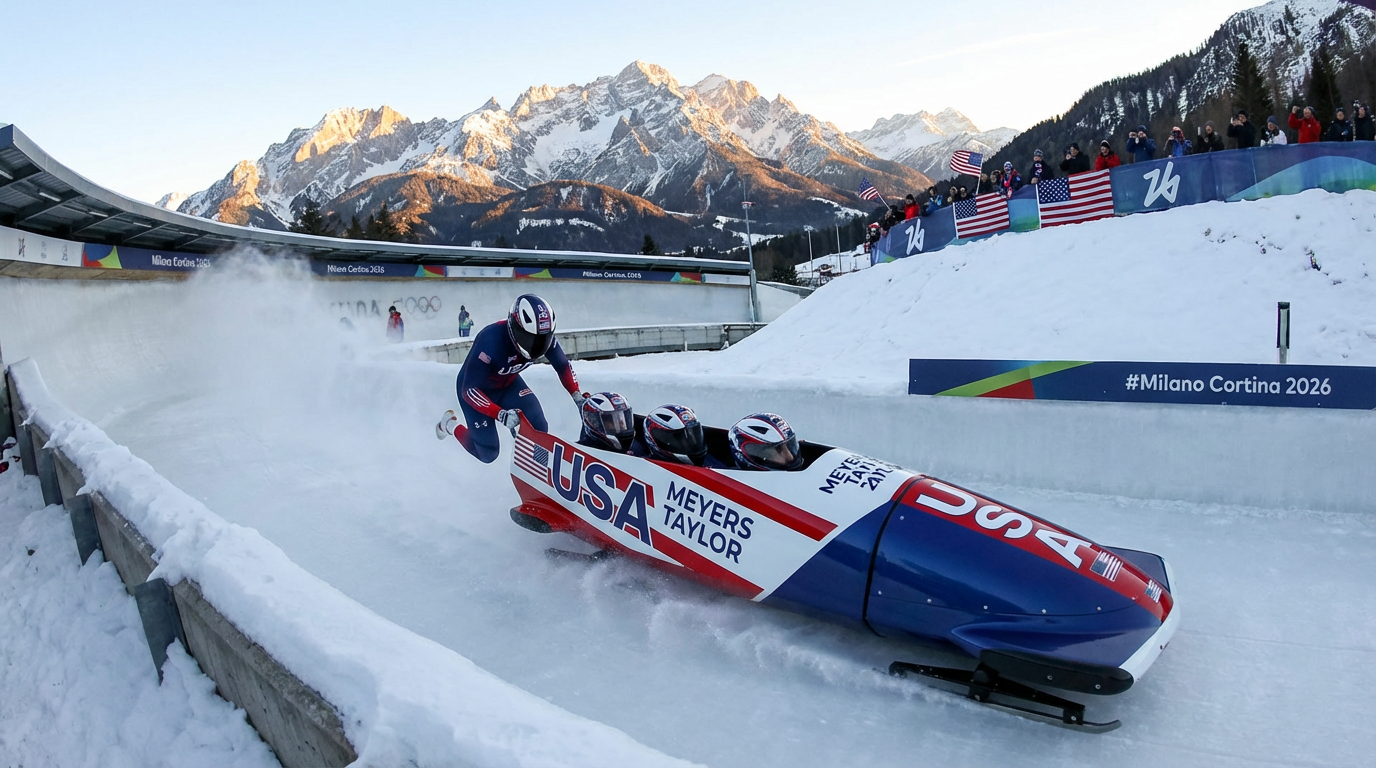
Nestled in Cortina d'Ampezzo's Alpine embrace, the Milano Cortina luge track drops 115 meters over 16 sinuous curves, banking at 43 degrees in spots where G-forces pin sliders like fighter pilots in a dive. Freezing fog clung to the pines on race day, temperatures plunging to minus-12 Celsius, turning the chute into a glistening trap. One mistimed steer through Curve 9 — the "Wall of Death" — and you're scraping steel on ice, shedding precious tenths. Germany and Austria dominated historically here, their precision-honed machines devouring the straights. But Farquharson eyed the same lines with a predator's focus, her sled's runners whispering secrets honed in Lake Placid's chill.
The format amplified every twitch: two runs Friday to set the overnight order, then reversed seeding for Saturday's finale. Total time across four descents crowns the queen. No teams, no relays — just one woman, one sled, against physics and fate. Yet in this solo crucible, Farquharson embodied Team USA's collective fire, her bronze the 33-medal haul's gritty spark.
The Athlete: Built for the Blade's Edge
Ashley Farquharson wasn't born to luge's elite corridors. Raised in Saranac Lake, she traded snowboards for sleds at 14, her first runs a blur of bruises and breakthroughs. By Beijing 2022, she'd cracked the top 20 worldwide, but Milano Cortina was her redemption arc. "I've crashed more times than I can count," she said post-race, her voice steady amid the medal ceremony's flashbulbs. "Each scar taught me: fear doesn't win; you do."
Her weapon? A 22-kilogram sled customized with Whisper runners — low-drag blades that sing at triple-digit kph. At 5-foot-7 and 152 pounds, she fused power with finesse: explosive starts from the padded handle, then aerodynamic arrow — shoulders tucked, toes flexed, eyes locked 20 meters ahead. Coaches praised her mental armor, forged in hypoxic chambers and VR simulations of Cortina's curves. She wasn't the fastest starter or steadiest vet like Germany's Julia Taubitz. She was the fighter who peaked when the lights burned brightest.
The Race: Descent into Drama
Run 1 dawned crisp, the Dolomites' spires piercing a steel-gray sky. Farquharson launched from bib 9, her 30-foot standing start erupting in a 4.85-second blitz — third-best of the heat. Down the straightaway, she hit 87 mph, slapping left into Curve 3 with a whisper-touch. A micro-wobble at the Kreisel loop cost 0.03 seconds, but she knifed out strong, clocking 51.728 for provisional fifth. The crowd — 15,000 strong in the grandstands — sensed upset brewing.
Austria's Stephanie Ladner edged ahead, but Farquharson held firm. Night fell on Run 2 under floodlights, the ice grooved from 40 sliders. Seeded higher now, she attacked: flawless steer through the Labyrinth, peaking at 91.2 mph post-Curve 11. A rival ahead bobbled; Ashley pounced, her sled a silver comet. 51.412 seconds — combined 1:43.140, vaulting to third. "Felt the track breathing with me," she'd recall. "Like it wanted me to fly."
Saturday's reversed order flipped the script: leaders first on a track slowed by ruts. Gold contender Taubitz slipped to 51.689; silver hopeful Ladner to 51.542. Farquharson, last of the top-10 chase pack, waited in the frosted start house. Run 3: She owned the start at 4.82 seconds, then pure poetry — body arched like a bowstring through the S-bends, no drag, no chatter. 51.378 seconds. Cumulative lead: hers to lose by 0.156 over Canada's Emma Snivley.
The finale crackled with tension. Winds gusted 5 meters per second, fraying edges. Farquharson toed the line, stars-and-stripes helmet gleaming. The in-run blurred; Curve 6's compression slammed her at 3.5 Gs. Mid-track, she adjusted — glove tap right, calf nudge left — threading the Wall flawlessly. Exit straightaway: 92 mph digital blaze. The clock froze: 51.456. Total: 3:26.974. Bronze secured by 0.078 seconds. Taubitz gold, Ladner silver; Farquharson, unbreakable, American bronze.
"At 90 miles an hour, headfirst into the unknown, you're not thinking medals. You're feeling alive — for yourself, for every kid dreaming under those lights, for the flag waiting at the bottom." — Ashley Farquharson, courtside after the medal ceremony
Tactics: Mastering the Ice Knife
Farquharson's edge lay in adaptive mastery. Unlike rigid Europeans favoring early aggression, her U.S. staff — led by head coach Matt Sawyer — dialed mid-run flexibility. Data from 500 pre-race runs pinpointed optimal lines: shallow entry into Curve 9 for speed retention, aggressive apex in 13 for exit velocity. Starts blended hypertrophy training with plyo bursts, shaving 0.07 seconds per heat.
Run 4's genius? Ice evolution. Morning ruts deepened; she widened lines by 2 centimeters, sacrificing micro-height for grip. "It's chess at Mach speed," Sawyer said. "Ashley's brain computes angles faster than our laptops." Psychologically, visualization loops replayed worst-case bailouts, turning pressure into propulsion. No wonder she outpaced pre-race odds by 140 positions.
Her bronze wasn't luck — it was 15 years of Lake Placid toil, 2024 Worlds podiums, a fractured wrist healed in secrecy. In a sport where Germans own 70 percent of medals, she proved American innovation: lighter sleds, bolder risks, fiercer hearts.
Legacy in the Dolomites
As the anthem swelled over Cortina's piazza, Farquharson clutched bronze, the metal warm against blizzard-chilled skin. This medal, amid Team USA's 33-medal avalanche — 12 gold, 11 silver, 10 bronze — symbolized more than metal. It honored the craft: lugers who chase fractions in the face of obliteration, excellence that transcends borders.
"We came to these mountains as challengers," Farquharson told reporters, Dolomite shadows framing her smile. "We leave as conquerors — not because we're American, but because we dared." In Milano Cortina's echo, her fearless charge at 90 mph reminds: true medals are won in the gut, one icy heartbeat at a time.