Jessie Diggins: Still America's Nordic Star
A bronze medal adds to the legacy of USA's most accomplished cross-country skier
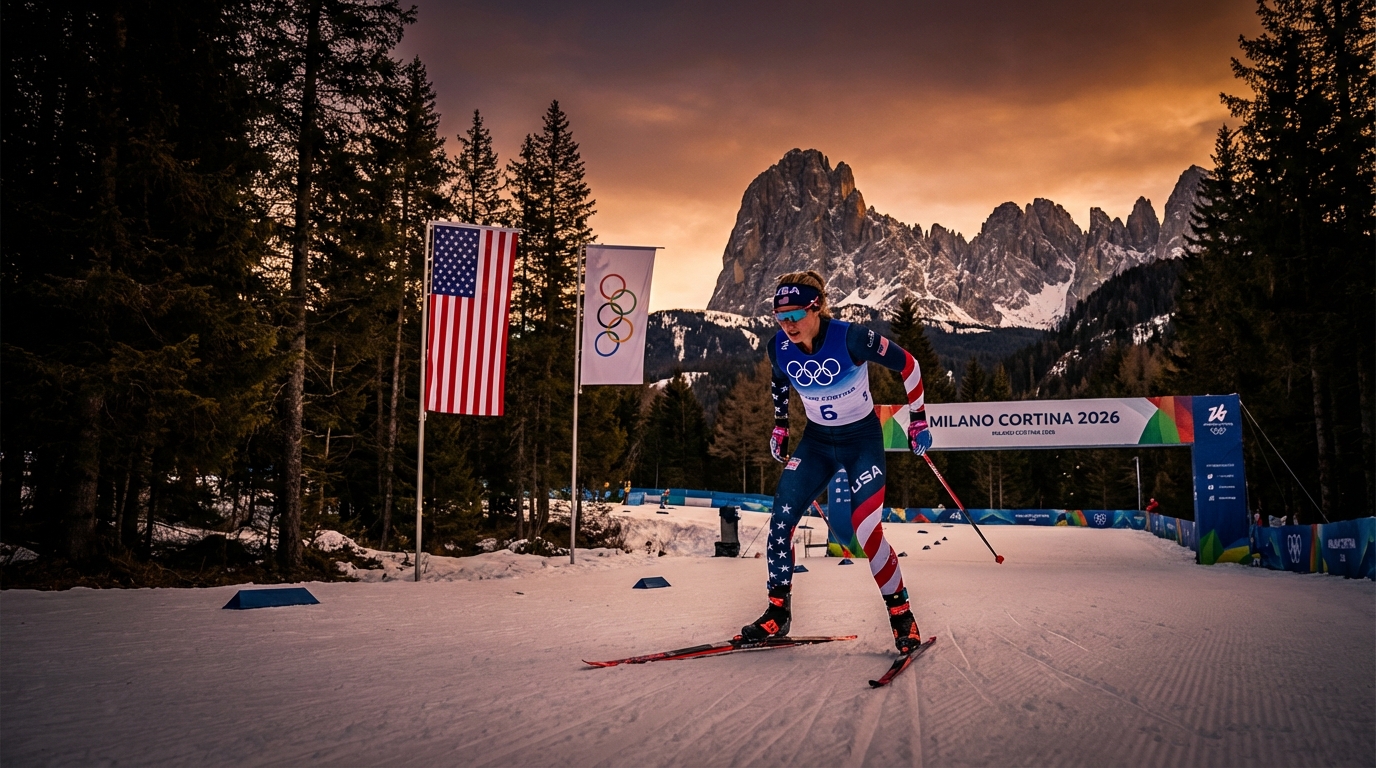
Under the jagged peaks of the Italian Dolomites, where the wind howls like a predator through the pines of Cortina d'Ampezzo, Jessie Diggins etched another chapter into her legend. The 30-kilometer mass start classic race at the Milano Cortina 2026 Winter Olympics was a brutal crucible: snow that clawed at skis like talons, altitudes that sucked oxygen from burning lungs, and a field of Nordic juggernauts from Norway and Sweden who had dominated the discipline for decades. Yet there was Diggins, the Minnesotan firebrand, surging through the pain in the final kilometers, her poles a blur, claiming bronze and proving that American grit endures in the world's most punishing endurance sport.
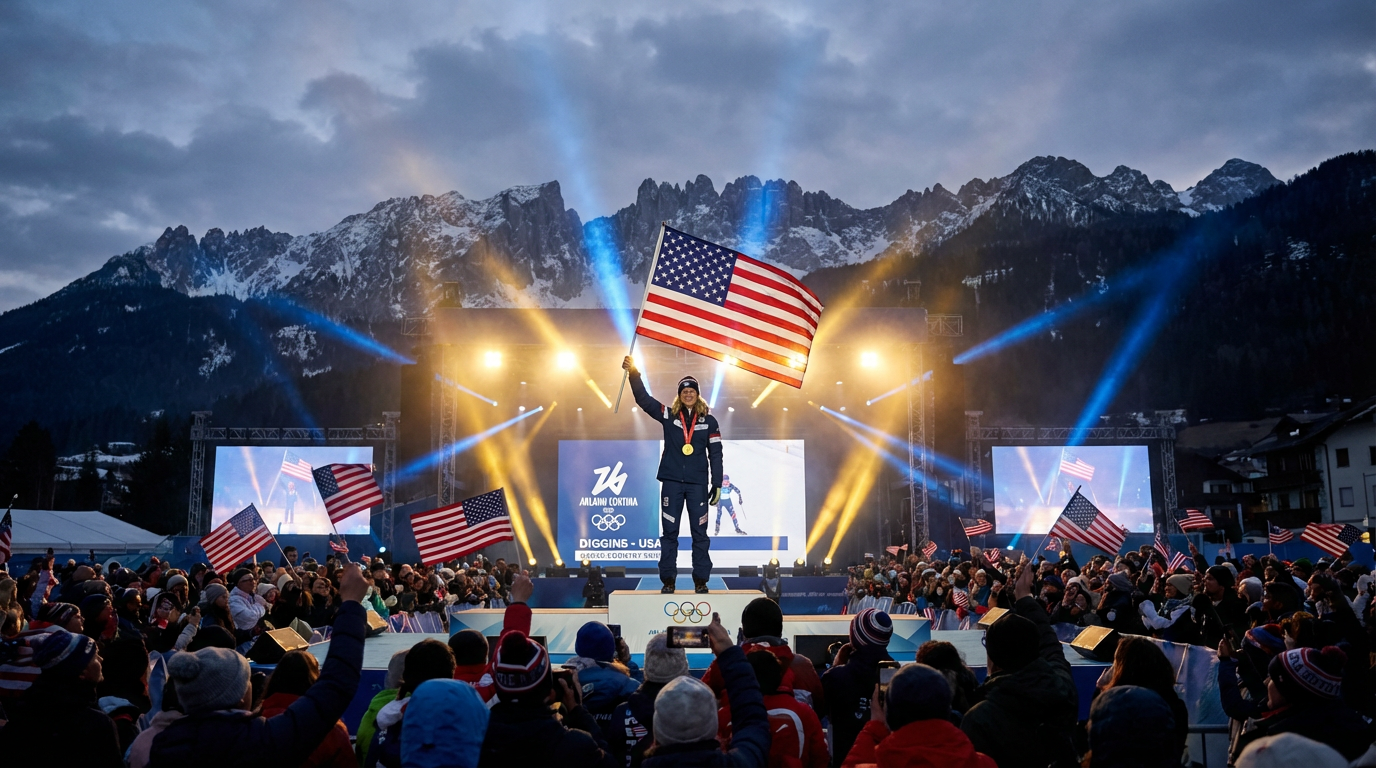
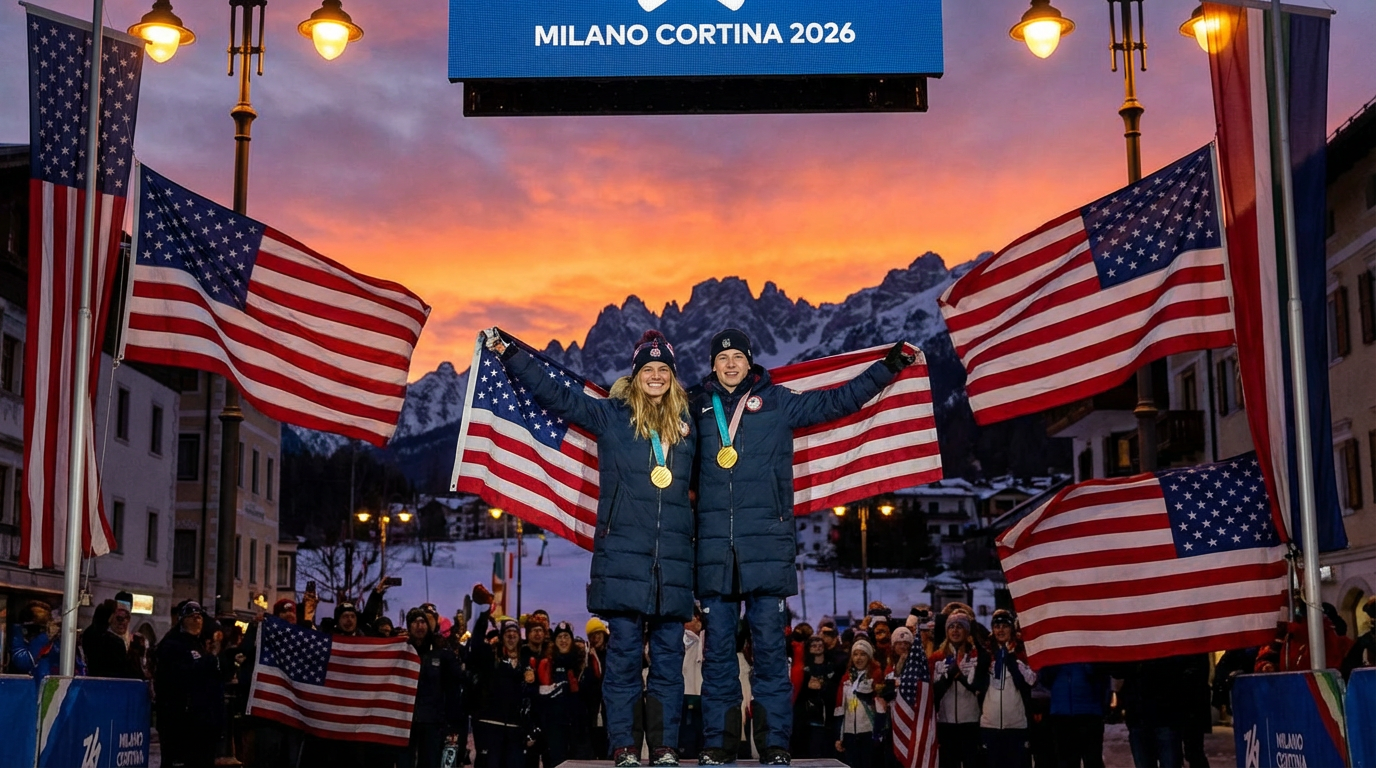
This wasn't just a medal. It was defiance. Diggins, already the most decorated cross-country skier in U.S. history with golds from PyeongChang and Beijing, now holds eight Olympic medals—a tally that cements Team USA's ascent in a sport long ruled by Scandinavian monarchs. In Milano Cortina, amid Team USA's historic 33-medal haul, her bronze gleamed as a beacon of perseverance, a testament to the quiet revolution brewing in America's Nordic program.
The Battlefield: A 30K Classic Marathon
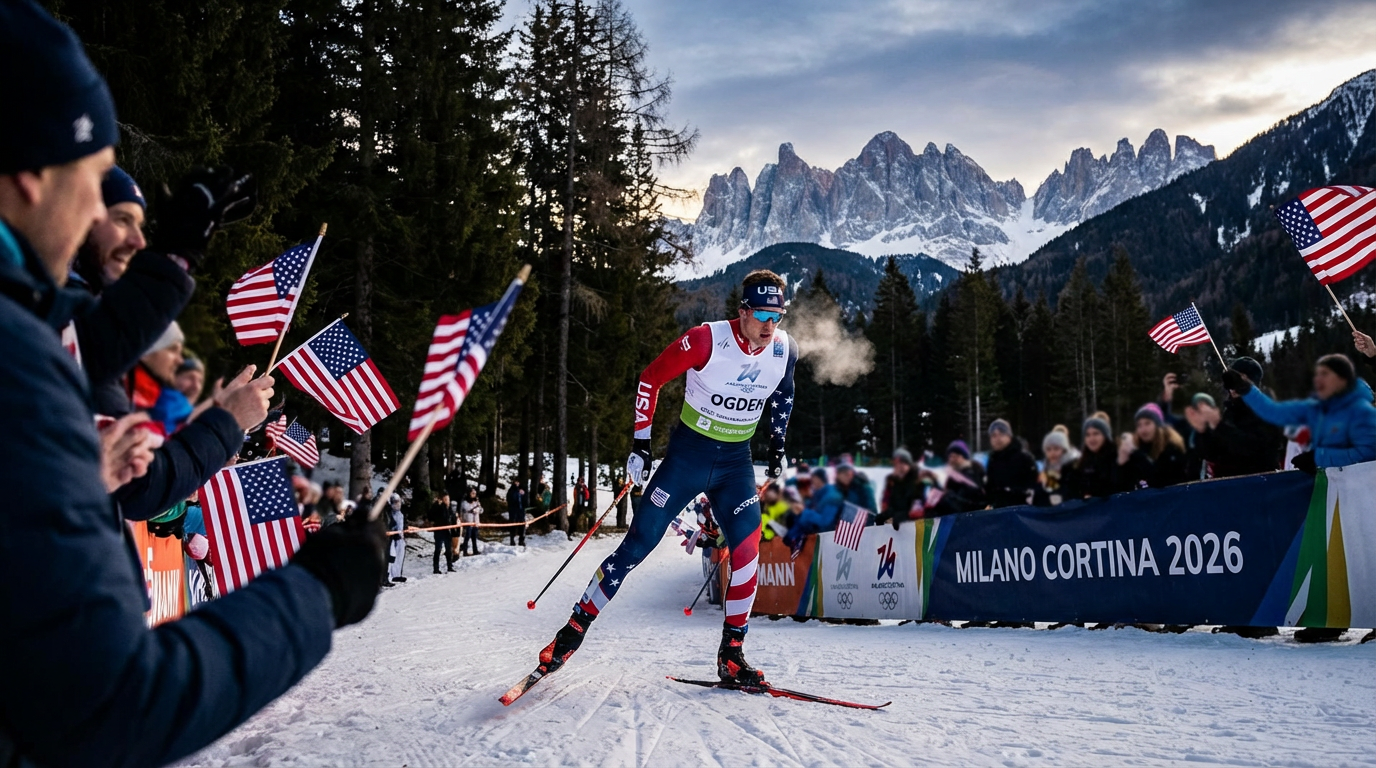
The women's 30km classic mass start unfolded across the frozen veins of the Stelvio course, a looping beast of climbs and descents that tested every fiber of an athlete's being. Classic technique demands precision: double poling up shallow gradients, herringbone scrambles on the steeps, glide on the flats. No skate skis here—just raw, rhythmic power against kick-and-glide wax that could make or break a race. With 60 elite women churning through three punishing 10km laps, positioning was war. Early chaos at the gun, mid-race attrition from the cold, and a final sprint where legs turned to lead.
Conditions were merciless: minus-15 Celsius winds whipping off the Dolomites, fresh powder demanding perfect wax grip. Teams slaved in wax cabins pre-dawn, scraping and testing blocks until the flicker of klister or klister-blue provided that elusive bite. One poor wax choice, and you'd be V1-ing uphill like a novice while rivals ghosted away.
The Warrior: Diggins at Her Peak
At 34, Diggins was no wide-eyed rookie. Her ponytail slicing the air, eyes locked in that trademark ferocity, she embodied the evolution of U.S. cross-country. Born in Afton, Minnesota, where lakes freeze solid and trails never quit, she turned pro at 19, grinding through a decade of breakthroughs: the 2018 team sprint gold that shattered America's medal drought, the 2022 individual sprint triumph amid personal battles with an eating disorder. Milano Cortina marked her fourth Games, but her fire burned hottest.
Her preparation was surgical. Training camps in the Sawtooth Mountains, altitude tents in the offseason, a diet fueled by oats and unyielding will. She arrived in Italy leaner, stronger, her V2 alternate poling a metronome of efficiency. "I've skied every kilometer like it was my last," she'd say. "This one's for the kids back home dreaming under Midwest stars."
The Race Unfolds: Strategy and Survival
The gun cracked at 10 a.m., a stampede exploding from the start house nestled in Cortina's valley shadow. Diggins slotted mid-pack, conserving for the long haul. Norway's Therese Johaug-lookalike Heidi Skjesol and Sweden's Frida Karlsson dictated a blistering early pace, stringing out the field on the first 3km climb. Diggins hung, her classic stride economical, skis humming on the tracks.
By lap two, the breakaway formed: a lead group of six, Diggins clawing to bridge on the penultimate feed zone descent. Tactical brilliance shone here—U.S. coaches, perched on snowmobiles with radios crackling, fed her gels laced with caffeine. "Stay on Karlsson's hip," barked coach Matt Skjei. She did, surging past a fading Russian on the herringbone to T2, her breath ragged plumes in the frigid air.
The crowd—10,000 strong ringing the course—roared as the leaders hit the final lap. Dolomite spires loomed like sentinels, the finish straight a frozen ribbon beside Lake Misurina. Skjesol cracked first on the last big climb, Karlsson pushed solo, but Diggins smelled blood. With 2km to go, she unleashed her signature kick: double poles pumping, knees driving high, closing a 15-second gap to the Frenchwoman in bronze position.
"That hill felt like Mount Everest, but I thought of my team, my family, every American who's ever laced up skates on a high school loop. You don't quit when it hurts most—that's when you win." — Jessie Diggins, post-race, fists clenched in exhaustion
The final 800 meters was poetry in agony. Karlsson gold, a Finn silver, but Diggins powered past France's Delphine Claude on the line—telemark landing into the arms of U.S. staff. Time: 1:27:45.3. Bronze secured by 1.2 seconds. The stadium erupted; the Star-Spangled Banner would play later for other heroes, but this moment was pure Diggins.
The Turning Point: Mid-Race Grit
Drama peaked at the 20km mark. Diggins bonked—a gel misfire left her glycogen dipping, vision tunneling on the feed descent. Lesser athletes fold. She didn't. Channeling mental cues drilled in therapy sessions—"anchor to your breath, own the pain"—she recovered on the outlap flat, drafting Karlsson like a shadow. U.S. wax held flawless; rivals slipped, skis chattering loose.
It was tactical mastery too. Unlike pure individual pursuits, mass start rewards opportunism. Diggins played the group, blocking wind for teammates earlier, then pouncing when leaders fatigued. Her kick wax gripped where others spun, a nod to the U.S. tech team's obsessive testing in pre-race blizzards.
Legacy in the Dolomites
Bronze might seem modest amid golds, but in cross-country—where the U.S. entered these Olympics with zero individual women's podiums ever—it's seismic. Diggins now owns 5-2-1 Olympic medal count, surpassing Billy Koch and Anders Södergren in U.S. lore. She inspires a generation: Rosie Brennan nabbing relay silver days prior, novitiates flooding Junior Nationals.
In the Milano Cortina athletes' village, amid pasta feasts and recovery shakes, Diggins reflected. "America's not supposed to medal here," she said, voice hoarse. "But we do because we build from the heartland up—coaches who live for this, kids who ski till dark. This bronze is our gold."
Team USA's 33 medals pulsed with such stories. Diggins' ride through the Dolomites wasn't flashiest, but fiercest. In a sport of endless winters, she remains the unbreakable Nordic star, pulling the red, white, and blue higher with every glide.